
Introduction: The Evolving Landscape of Startups in 2026
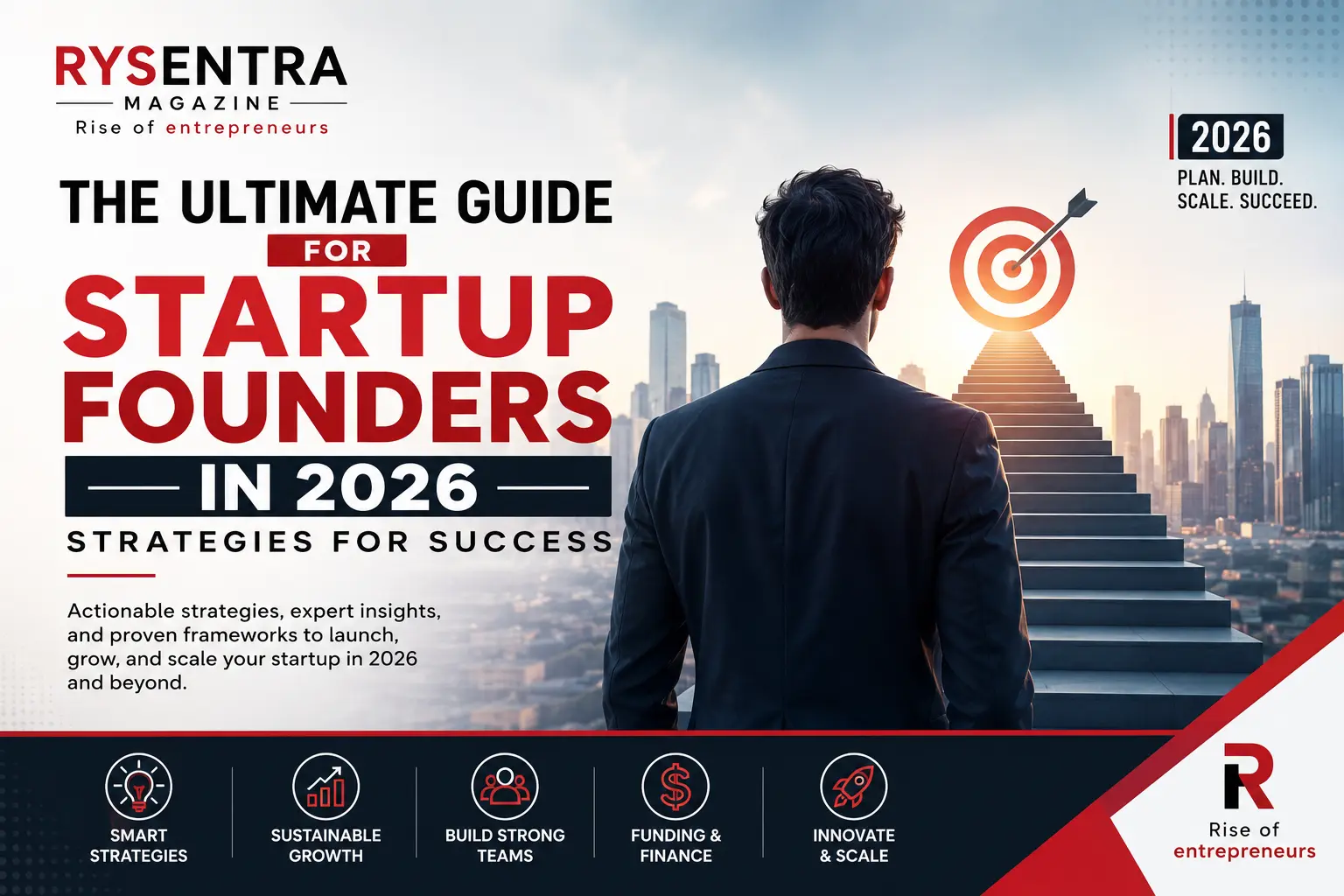
The landscape of startups in 2026 has transformed significantly, driven by technological advancements, shifting consumer behaviors, and global economic changes. Founders now face a myriad of challenges and opportunities that necessitate a keen understanding of current trends. The startup ecosystem is marked by rapid innovation, with emerging sectors such as artificial intelligence, sustainable technologies, and remote work solutions gaining traction. This evolution presents unique avenues for entrepreneurs to explore and capitalize on.
Amidst these trends, startup founders must navigate a series of challenges, including heightened competition, market saturation, and the need for differentiation. With an influx of new businesses entering the market, establishing a unique value proposition has become a crucial element for success. Additionally, economic uncertainties and fluctuating consumer demands compel founders to remain agile and responsive to shifts in the marketplace.
The importance of adaptability in this dynamic environment cannot be overstated. Startup founders are required to continuously refine their strategies, respond to emerging trends, and foster a culture of innovation within their teams. By prioritizing flexibility and forward-thinking, entrepreneurs can position their companies to seize opportunities that may arise amidst uncertainty.
Furthermore, technological advancements are reshaping business operations, offering tools that can streamline processes and enhance customer engagement. Startups that leverage data analytics and AI-driven solutions are positioned to make more informed decisions, optimizing their chances of success. As the digital landscape evolves, the ability to harness technology effectively will determine the longevity and impact of a startup.
In conclusion, the current state of startups in 2026 is characterized by an ever-changing environment where adaptability and innovation are paramount. Founders who remain attuned to emerging trends and challenges will be best equipped to navigate the complexities of the startup world, ultimately driving their ventures toward success.
Understanding Your Market: Identifying Key Opportunities
Understanding your market is critical for startup founders looking to innovate and thrive in a competitive landscape. Conducting comprehensive market research equips entrepreneurs with insights that can illuminate their target audience’s preferences, market demand, and the overall competitive environment. By employing systematic analysis techniques, founders can uncover key opportunities to position their products effectively and meet consumers’ needs.
First, identifying the target audience involves segmenting the market based on various demographics, including age, income, location, and lifestyle. This segmentation not only allows startups to tailor their offerings but also helps in pinpointing unmet needs within specific groups. Utilizing surveys, focus groups, and social media insights can be effective methods for gathering qualitative and quantitative data about potential customers.
Once the target audience has been determined, understanding market demand becomes paramount. This can be achieved through analyzing industry trends, competitor strategies, and consumer behavior. Tools such as SWOT (Strengths, Weaknesses, Opportunities, Threats) analysis play a pivotal role in assessing the competitive landscape, allowing founders to recognize what sets their offerings apart from existing market solutions.
Additionally, evaluating competitor offerings provides valuable information regarding gaps within the market. Startups should not only aim to fulfill existing demands but also to identify opportunities for innovation. This approach requires keeping a vigilant eye on emerging trends and potential shifts in consumer behavior, ensuring that the startup remains adaptable and forward-thinking.
In cultivating a deep understanding of the market landscape, startup founders can position themselves strategically, harnessing insights to create products that resonate with customers while simultaneously addressing a recognized need. This foundational research effort is essential as it ultimately dictates the success of a startup’s value proposition.
Building a Resilient Business Model
Establishing a resilient business model is crucial for startups aiming to thrive in an ever-evolving market landscape. A sound business model should not only define the value proposition offered to customers but also lay out various revenue streams that ensure financial sustainability. To build such a model, it is essential to understand the primary components that contribute to a startup’s resilience against economic fluctuations.
The first element involves identifying diverse revenue streams. Relying on a single source of income can be perilous; thus, integrating multiple streams—such as subscriptions, product sales, investments, or service fees—can mitigate risks. A flexible revenue model enables the business to adapt more efficiently during economic downturns or shifts in consumer preferences.
Furthermore, the value proposition plays a pivotal role in attracting and retaining customers. Startups must clearly articulate the unique benefits their products or services provide to their audience. This requires ongoing market research to stay attuned to customer needs and preferences. Developing a strong value proposition that resonates can ensure continuous engagement, regardless of external pressures and market dynamics.
Operational strategies also greatly impact a business’s resilience. Implementing efficient processes and technologies can streamline operations, reduce costs, and enhance productivity. Startups should consider adopting flexible operational frameworks that can quickly adjust to unforeseen challenges. Techniques such as lean management and agile methodologies can provide the necessary agility to navigate changing market conditions.
Additionally, fostering a culture of innovation is essential. Encouraging team members to generate and test new ideas can lead to the development of adaptable strategies that keep the startup relevant. Investment in employee training and development can equip the workforce with necessary skills to pivot as the market evolves.
In conclusion, building a resilient business model relies on effectively combining a robust value proposition, diversified revenue streams, and adaptable operational strategies. A comprehensive understanding of these elements will set the foundation for enduring success in an unpredictable business environment.
Fundraising in 2026: Navigating the Investment Ecosystem
The fundraising landscape for startups in 2026 exhibits significant evolution, driven by technological advancements, shifts in investor preferences, and changing market conditions. Entrepreneurs must be well-versed in the diverse fundraising options available, including venture capital, crowdfunding, and the increasingly popular bootstrapping approach. Understanding these options is crucial for strategically navigating the complex investment ecosystem.
Venture capital remains a prominent source of funding for high-growth startups. In 2026, the venture capital market has diversified, with funds specializing in niche sectors such as sustainable technology and artificial intelligence. Founders seeking venture capital should focus on creating a compelling business model and demonstrate a scalable product that addresses a clear market need. Building relationships with venture capitalists through networking and industry events can significantly enhance the chances of securing funding.
Crowdfunding has also gained traction, offering startups the opportunity to raise funds while building a community around their brand. Platforms such as Kickstarter and Indiegogo facilitate this process, allowing entrepreneurs to showcase their ideas to a broader audience. However, successful crowdfunding campaigns require meticulous planning, including crafting an engaging pitch, producing high-quality promotional materials, and maintaining transparent communication with backers. Engaging with potential supporters early on can also foster trust and commitment.
Bootstrapping remains an attractive option for many founders, allowing them to retain control over their business while developing their products gradually. This approach involves using personal savings or revenue generated from initial sales to finance growth. Bootstrapping encourages disciplined financial management and can lead to a sustainable business model over time. Regardless of the fundraising route chosen, it is essential for founders to craft an attractive pitch that clearly articulates their value proposition, market potential, and financial projections. A well-prepared presentation can make a significant difference in attracting investors.
Innovative Marketing Strategies for Startups
In the ever-evolving landscape of digital marketing, startups must continually adapt to new strategies and tools to increase brand awareness and engage effectively with their customers. As we step into 2026, innovative marketing strategies have emerged that are crucial for startups aiming to thrive in a competitive marketplace. These strategies not only enhance visibility but also foster meaningful connections with potential customers.
One of the most impactful approaches for startups is leveraging social media platforms. The rise of platforms that prioritize video content, such as TikTok and Instagram Reels, provides startups with unique opportunities to showcase their products in a dynamic and engaging manner. By creating compelling narratives and authentic content, founders can resonate with their target audience while increasing brand recall.
Furthermore, the integration of AI-driven tools in marketing campaigns has transformed how startups interact with consumers. Chatbots, for instance, enable real-time customer service, enhancing user experience while collecting valuable data on consumer preferences. This data can subsequently be utilized to create personalized marketing campaigns that cater to the specific needs of the audience.
Another innovative strategy includes the use of influencer partnerships, which can significantly amplify a startup’s presence. By aligning with micro-influencers who share similar values and have a dedicated following, startups can tap into niche markets in a cost-effective manner. The authenticity of these influencers often leads to higher engagement rates and trust among potential customers.
Moreover, startups should not overlook the importance of content marketing. Producing informative and high-quality content can position a startup as an industry thought leader, thereby attracting a loyal customer base. Utilizing SEO best practices ensures that content is discoverable by search engines, further driving traffic to the startup’s website.
As startups in 2026 navigate through challenges, embracing these innovative marketing strategies not only supports brand growth but also cultivates lasting relationships with customers, essential for long-term success.
Embracing Technology: Tools and Resources for Startup Growth
In the ever-evolving landscape of business, startups in 2026 are increasingly leveraging technology to streamline operations and enhance productivity. The integration of technological tools is essential for fostering innovation and ensuring sustainable growth. This section outlines some of the key resources that can significantly contribute to the success of a startup.
Project management software is a cornerstone for any startup aiming to enhance collaboration and efficiency. Tools such as Asana, Trello, and Monday.com empower teams to manage tasks seamlessly, set deadlines, and monitor progress. By providing a centralized platform for tracking projects, these applications help minimize miscommunication and enable clearer accountability.
Effective communication is paramount in a startup environment. Resources like Slack, Microsoft Teams, and Zoom facilitate real-time communication, allowing teams to connect regardless of geographical barriers. These platforms support both text and video interactions, fostering stronger relationships and collaborations among team members.
Moreover, the utilization of analytics tools cannot be overlooked. Software such as Google Analytics and Tableau offers valuable insights into user behavior, market trends, and operational performance. By harnessing these insights, startups can make informed decisions based on data rather than intuition, thus driving strategic planning and execution.
In addition to these, integrating customer relationship management (CRM) software like Salesforce or HubSpot can help startups manage interactions with existing and prospective customers. Utilizing these resources enables teams to nurture leads and maintain customer satisfaction through personalized engagement.
Overall, embracing technology through these diverse tools can significantly enhance a startup’s ability to innovate, communicate, and operate efficiently within the competitive market landscape of 2026.
Building a Strong Team: Hiring and Culture in Startups
In the competitive landscape of startups, where agility and innovation are paramount, building a strong team is one of the most critical factors that can determine success. Attracting the right talent begins by establishing a clear vision and values that resonate with potential candidates. Startups should focus on defining their mission and how each individual contributes to these goals, which can help in drawing like-minded individuals who align with the company’s ethos.
When it comes to the hiring process, startups often have unique advantages compared to larger organizations. Flexibility in roles and responsibilities can appeal to top talent looking for dynamic work environments. Employers should implement a rigorous yet streamlined recruitment process that includes thorough interviews and assessments tailored to gauge not only technical skills but also cultural fit. Personalized engagement with candidates through open communication can significantly enhance the candidate experience, fostering a sense of belonging even before joining.
Retaining employees in a startup environment requires continuous investment in their development and well-being. Providing opportunities for growth, such as mentoring programs and career advancement pathways, keeps employees motivated and engaged. Additionally, recognizing and celebrating achievements, both big and small, promotes loyalty and a sense of community within the team.
Cultivating a strong company culture is essential for stimulating collaboration and creativity among team members. Startups should encourage open communication, where ideas can flow freely, and team members feel empowered to contribute. Implementing team-building activities, such as workshops or social events, can also enhance relationships among employees.
Building a robust team goes beyond just hiring; it is about nurturing an environment that values each member’s contributions and encourages innovation. By focusing on clear communication, employee development, and a supportive culture, startups can create an effective workforce that drives the company toward its vision.
Scaling Your Startup: Strategies for Growth
Scaling a startup successfully is a multifaceted endeavor, requiring not only innovative ideas but also well-planned strategies. One of the primary methods for achieving growth is through market expansion. This could involve entering new geographic markets or diversifying the product line to meet the needs of different customer demographics. Startups should conduct thorough market research to identify potential areas for expansion, ensuring that they are prepared to cater to the preferences and demands of the new audience.
Another effective strategy for scaling a startup involves forming partnerships with other businesses. Strategic alliances can offer mutual benefits such as shared resources, enhanced credibility, and access to new customer segments. Collaborations with complementary companies can lead to innovative joint offerings, thereby attracting a broader customer base. Startups should carefully select partners whose business goals and values align with their own to ensure a fruitful relationship.
Leveraging customer feedback is an essential aspect of product development and scaling. By engaging with their customers and understanding their needs, startups can iterate on their products to better meet market demands. Implementing feedback loops through surveys, social media interactions, and usability testing can provide valuable insights that guide enhancements. Adapting products based on customer insights not only improves customer satisfaction but also fosters brand loyalty, which is crucial for sustainable growth.
In summary, the pathways to scaling a startup are varied and complex, demanding a blend of strategic market expansion, partnerships, and customer-centric product development. Adopting these strategies can significantly enhance the likelihood of a startup’s long-term success in a competitive landscape.
Conclusion
The landscape of startups is continuously evolving, driven by rapid technological advancements and shifting market demands. As we look toward the future, it becomes increasingly clear that the success of startup founders in 2026 will hinge on their resilience, adaptability, and commitment to continuous learning. In an era where the pace of change is unprecedented, founders must cultivate an agile mindset that enables them to pivot and respond effectively to new challenges and opportunities.
Resilience is particularly vital for startup founders. The ability to bounce back from setbacks and maintain focus is essential in a competitive environment where failures can be frequent. Founders who embrace challenges as learning experiences are more likely to innovate and develop solutions that resonate with their target audiences. This proactive approach fosters an atmosphere of perseverance, encouraging teams to collaborate and cultivate a culture of resilience.
Moreover, continuous learning must be at the forefront of every founder’s strategy. Staying informed about industry trends, technological advancements, and best practices equips founders with the tools necessary to refine their business models and strategies. Networking with other founders, engaging in mentorship programs, and participating in relevant workshops can significantly enhance a founder’s knowledge and skill set, thus improving their ability to navigate complexities.
In conclusion, the future of startups in 2026 will favor those who prioritize resilience, adaptability, and learning. By fostering these qualities, startup founders can not only enhance their chances of success but also contribute meaningfully to their respective industries, paving the way for innovation and growth in a dynamic business landscape.