


Introduction
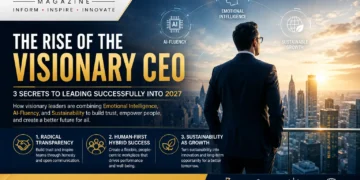
Entrepreneurship has entered a transformative era. In 2026, success is no longer measured solely by revenue, market share, or company valuation. Today’s entrepreneurs are redefining what it means to build a successful business by combining innovation with purpose, technology with humanity, and profitability with long-term impact.
The modern entrepreneur is not simply launching a company—they are creating ecosystems, solving complex global challenges, embracing emerging technologies, and inspiring communities. Whether leading a technology startup, an e-commerce brand, a consulting firm, or a sustainable enterprise, today’s founders are shaping industries faster than ever before.
Digital transformation, artificial intelligence, remote work, global collaboration, and changing consumer expectations have created unprecedented opportunities for entrepreneurs willing to innovate. Businesses can now reach customers worldwide, automate operations, build personal brands, and scale with fewer resources than ever before.
However, opportunity also comes with increased competition. Standing out in today’s business landscape requires more than a great idea. It demands adaptability, resilience, continuous learning, and a clear vision.
Related Post

This new generation of entrepreneurs is proving that success isn’t defined only by financial achievement. It is equally measured by the value created for customers, employees, communities, and society.
In this article, we explore the characteristics, strategies, and trends driving the rise of modern entrepreneurs and examine how visionary leaders are redefining success in 2026.
Table of Contents
- The Evolution of Entrepreneurship
- Why Entrepreneurship Is Changing
- Characteristics of Modern Entrepreneurs
- Technology as the Greatest Business Enabler
- The Rise of Purpose-Driven Businesses
- Building Strong Personal Brands
- Innovation as a Competitive Advantage
- Leadership in the Digital Era
- Challenges Facing Entrepreneurs
- Future Trends
- FAQs
- Conclusion
The Evolution of Entrepreneurship
Entrepreneurship has evolved dramatically over the past two decades.
Traditional businesses were often limited by geographical boundaries, high startup costs, and slow communication. Entrepreneurs needed substantial capital, office space, and extensive infrastructure before reaching customers.
Today, technology has removed many of these barriers.
Cloud computing, online marketplaces, AI-powered software, digital payment systems, and social media platforms enable entrepreneurs to launch businesses with minimal investment while serving customers across the globe.
A founder operating from a home office can now build a global brand, collaborate with international teams, and compete alongside established corporations.
The definition of entrepreneurship has expanded beyond creating companies. Modern entrepreneurs create innovative solutions, build communities, influence industries, and inspire meaningful change.
Why Entrepreneurship Is Changing
Several major trends are reshaping the entrepreneurial landscape.
Digital Transformation
Businesses are becoming increasingly digital. Customers expect seamless online experiences, personalized services, and instant communication.
Companies embracing digital transformation gain significant competitive advantages through automation, improved customer experiences, and data-driven decision-making.
Artificial Intelligence
Artificial intelligence has become an essential business tool.
Entrepreneurs now use AI to:
- Generate content
- Analyze customer behavior
- Automate customer support
- Improve marketing campaigns
- Increase productivity
- Forecast business trends
Rather than replacing entrepreneurs, AI empowers them to make smarter and faster decisions.
Remote Work
Remote work has expanded access to global talent.
Businesses no longer need to hire exclusively within one city or country. Entrepreneurs can build high-performing teams from around the world while reducing operational costs.
Changing Consumer Expectations
Modern customers care about transparency, sustainability, customer experience, and ethical business practices.
Companies that genuinely understand customer values are building stronger brands and lasting loyalty.
Characteristics of Modern Entrepreneurs
The entrepreneurs succeeding in 2026 share several defining characteristics.
Vision Beyond Profit
Successful founders focus on solving meaningful problems rather than chasing short-term financial gains.
Purpose-driven businesses often build stronger customer relationships because they create genuine value.
Continuous Learning
Technology evolves rapidly.
Modern entrepreneurs dedicate time every week to learning about industry trends, emerging technologies, leadership, marketing, finance, and innovation.
Continuous learning has become a competitive advantage.
Adaptability
Markets change quickly.
Successful entrepreneurs embrace uncertainty, learn from setbacks, and adjust strategies based on customer feedback and market conditions.
Adaptability has become one of the most valuable leadership skills in business.
Data-Driven Decision Making
Instead of relying solely on intuition, today’s entrepreneurs leverage analytics to understand customer behavior, optimize operations, and improve business performance.
Data enables smarter decisions while reducing unnecessary risks.
Technology: The Ultimate Growth Engine
Technology has fundamentally transformed entrepreneurship.
Cloud software allows businesses to scale efficiently without significant infrastructure costs. Automation streamlines repetitive tasks, enabling entrepreneurs to focus on strategic growth.
Digital marketing platforms make it possible to reach highly targeted audiences with measurable campaigns, while customer relationship management systems strengthen customer engagement and retention.
Technology is no longer optional—it is a strategic advantage that enables businesses of every size to compete in an increasingly global marketplace.
The Rise of Purpose-Driven Businesses
A defining characteristic of modern entrepreneurs is their focus on purpose. While profitability remains essential, today’s most admired companies are built around a mission that creates value beyond financial returns.
Consumers increasingly support businesses that demonstrate social responsibility, environmental sustainability, and ethical leadership. Entrepreneurs who align their companies with meaningful causes often build stronger customer loyalty and long-term brand trust.
Purpose-driven businesses typically focus on:
- Solving real-world problems
- Promoting sustainability
- Supporting local communities
- Creating inclusive workplaces
- Encouraging innovation that benefits society
When purpose becomes part of a company’s identity, it helps attract talented employees, loyal customers, and long-term investors.
Building a Powerful Personal Brand
People connect with people more than they connect with logos.
In today’s digital economy, founders who actively build their personal brands create greater visibility and credibility for their businesses.
A strong personal brand helps entrepreneurs:
- Build trust with customers
- Attract investors
- Generate media opportunities
- Create networking relationships
- Become industry thought leaders
Entrepreneurs should consistently share valuable insights on platforms such as LinkedIn, publish articles, participate in interviews, speak at events, and engage with their audience.
Authenticity remains the most valuable element of a successful personal brand. Audiences appreciate leaders who openly share their experiences, challenges, and lessons learned.
Innovation as the Foundation of Growth
Innovation is no longer limited to technology companies. Every business can innovate by improving products, enhancing customer experiences, or creating more efficient processes.
Successful entrepreneurs constantly ask:
- What problems can we solve better?
- How can technology improve our services?
- What do customers truly need?
- How can we simplify complex experiences?
Innovation often comes from listening carefully to customer feedback and adapting quickly.
Companies that embrace experimentation, encourage creative thinking, and remain open to change are more likely to stay ahead of competitors.
Leadership in the Digital Era
Modern leadership requires much more than managing teams.
Today’s entrepreneurs inspire people through vision, communication, empathy, and adaptability.
Effective business leaders:
Communicate Clearly
Employees perform better when expectations and goals are clearly communicated.
Empower Teams
Successful founders trust their employees and encourage ownership rather than micromanagement.
Embrace Diversity
Diverse teams generate broader perspectives and more innovative ideas.
Invest in Learning
Continuous employee development improves engagement, productivity, and long-term business growth.
Lead with Integrity
Trust remains one of the strongest competitive advantages any organization can build.
The Entrepreneurial Mindset
Successful entrepreneurs think differently.
Rather than fearing failure, they see setbacks as opportunities to learn.
Key mindset traits include:
- Curiosity
- Resilience
- Discipline
- Optimism
- Patience
- Strategic thinking
- Long-term vision
Developing the right mindset often becomes more important than having the perfect business idea.
The Growing Importance of Artificial Intelligence
Artificial Intelligence is transforming nearly every industry.
Entrepreneurs now use AI for:
- Customer support automation
- Marketing personalization
- Content creation
- Sales forecasting
- Business analytics
- Financial planning
- Market research
AI allows businesses to automate repetitive tasks while improving efficiency and decision-making.
However, successful entrepreneurs recognize that AI should enhance human creativity rather than replace it.
Businesses that combine human expertise with intelligent technology are likely to outperform those relying on either alone.
Sustainability as a Business Strategy
Environmental responsibility has become a strategic business priority.
Consumers increasingly evaluate companies based on their sustainability efforts.
Entrepreneurs are adopting practices such as:
- Eco-friendly packaging
- Renewable energy
- Waste reduction
- Responsible sourcing
- Carbon footprint reduction
Sustainable businesses not only contribute positively to society but often reduce operational costs while strengthening brand reputation.
Networking and Collaboration
Modern entrepreneurship thrives on collaboration.
Building strong professional relationships opens doors to:
- Partnerships
- Investment opportunities
- Mentorship
- Customer referrals
- Business expansion
Entrepreneurs should actively participate in industry events, conferences, online communities, and professional networks.
The most successful founders understand that meaningful relationships often become valuable business assets.
Customer Experience as a Competitive Advantage
Products can be copied.
Customer experience cannot.
Modern entrepreneurs prioritize delivering exceptional customer service by:
- Listening carefully to customer feedback
- Responding quickly
- Personalizing interactions
- Simplifying purchasing experiences
- Providing consistent value
Happy customers become loyal advocates who generate referrals and positive reviews.
Challenges Facing Entrepreneurs in 2026
Despite unprecedented opportunities, entrepreneurs continue to face significant challenges.
Some of the most common include:
Increasing Competition
Launching a business has become easier, but standing out requires differentiation and continuous innovation.
Rapid Technological Change
Businesses must constantly adapt to evolving technologies and changing customer expectations.
Economic Uncertainty
Global economic shifts require entrepreneurs to remain financially disciplined and strategically flexible.
Talent Acquisition
Finding and retaining skilled employees remains a challenge for growing businesses.
Cybersecurity
As companies become more digital, protecting customer data and business systems becomes increasingly important.
Entrepreneurs who proactively address these challenges build stronger, more resilient organizations.
Future Trends That Will Shape Entrepreneurship
Several emerging trends are expected to influence business over the coming years.
AI-Powered Businesses
Artificial intelligence will become integrated into nearly every business function.
Remote-First Organizations
Flexible work models will continue to attract top global talent.
Creator Economy
Entrepreneurs will increasingly monetize expertise through digital products, online education, newsletters, and personal brands.
Sustainable Innovation
Businesses focused on environmental and social impact will continue gaining customer trust.
Hyper-Personalization
Data-driven personalization will improve customer engagement across industries.
Final Thoughts
The rise of modern entrepreneurs represents more than a shift in business strategy—it reflects a transformation in how success is defined.
Today’s visionary founders combine innovation with empathy, technology with creativity, and ambition with responsibility. They understand that long-term growth comes from creating meaningful value for customers, employees, communities, and society.
Whether launching a startup, leading an established company, or building a personal brand, entrepreneurs who embrace continuous learning, adaptability, and purpose will be best positioned to succeed in the years ahead.
The future belongs to leaders who are willing to innovate, collaborate, and create lasting impact.
Frequently Asked Questions
What defines a modern entrepreneur?
A modern entrepreneur combines innovation, technology, leadership, and purpose to build businesses that create long-term value.
Why is personal branding important?
A strong personal brand builds trust, credibility, and visibility, helping entrepreneurs attract customers, partners, and investors.
How is AI helping entrepreneurs?
AI automates repetitive tasks, improves decision-making, enhances customer experiences, and increases operational efficiency.
Why are purpose-driven businesses growing?
Consumers increasingly support companies that demonstrate ethical leadership, sustainability, and positive social impact.
What is the most important entrepreneurial skill in 2026?
Adaptability is one of the most valuable skills because markets, technology, and customer expectations continue to evolve rapidly.
Conclusion
Entrepreneurship in 2026 is no longer just about starting a business—it’s about shaping the future. Modern entrepreneurs are redefining success by building companies that prioritize innovation, resilience, collaboration, and meaningful impact. As technology continues to evolve, those who remain adaptable, customer-focused, and purpose-driven will lead the next generation of business transformation.